Bystander Effect at Work: Building a Culture of Action in 2026
Learn how to overcome the bystander effect in the workplace and empower your team with life-saving CPR and First Aid skills.
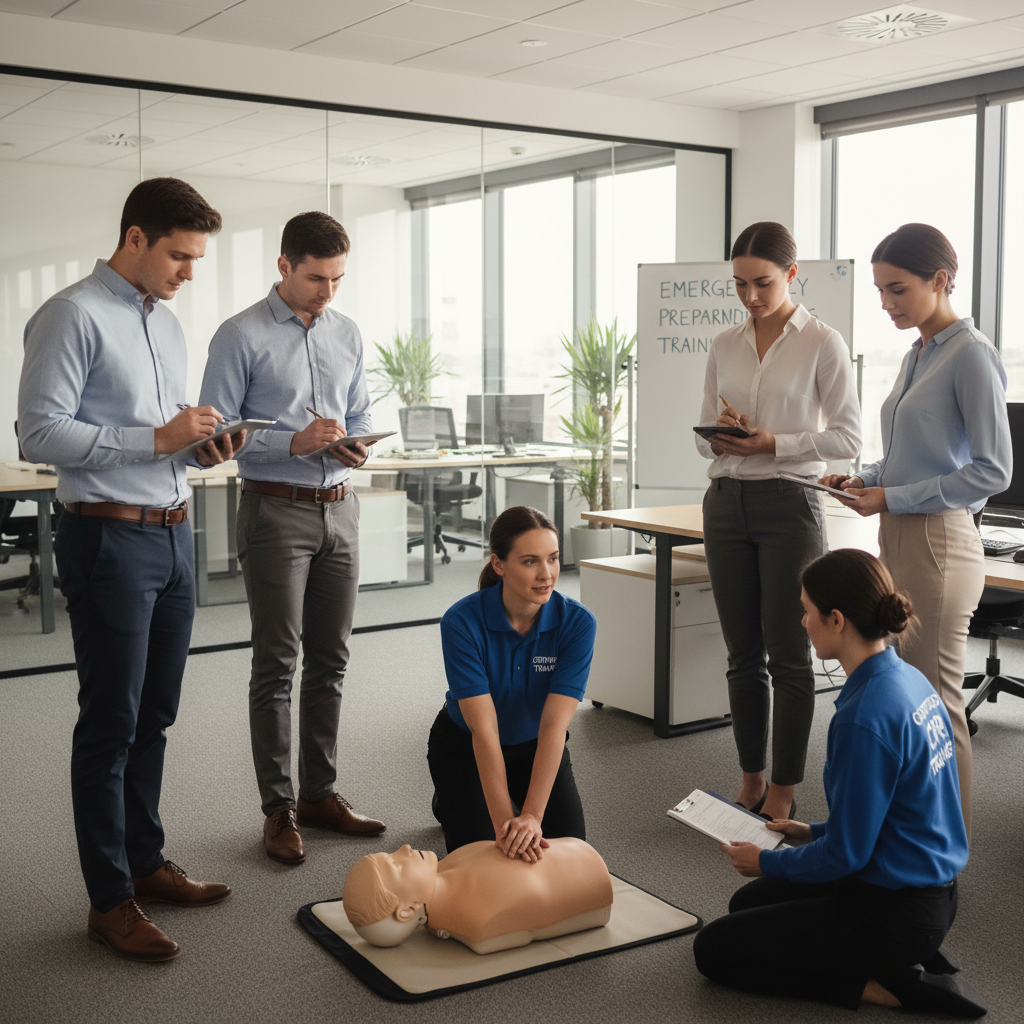
In any given work week, we spend more time with our colleagues than almost anyone else. Yet, statistics show that when a cardiac emergency happens in a professional setting, the 'bystander effect'—a psychological phenomenon where individuals are less likely to offer help when others are present—can lead to fatal delays. In 2026, workplace safety is shifting its focus from simple compliance to a proactive 'Culture of Action.'
Transitioning your office from passive observers to active lifesavers requires more than just a poster in the breakroom. It requires high-quality training and a psychological shift in how employees perceive their roles during a crisis.
Understanding the Bystander Effect in Professional Settings
The bystander effect occurs because of a diffusion of responsibility. Employees often assume someone more qualified—perhaps a manager or a designated safety officer—will take charge. In a high-stakes environment, this hesitation can be the difference between life and death.
According to the American Heart Association, immediate CPR can double or triple a person's chance of survival. If your team is waiting for 'someone else' to act, those precious seconds are being lost. To combat this, companies are moving beyond OSHA CPR Requirements 2025 and embracing comprehensive Corporate Training that emphasizes leadership and quick decision-making.
Strategic Steps to Build a Culture of Action
Creating a workplace where people feel empowered to act involves three key pillars: accessibility, education, and psychological safety.
1. Empower Through the Right Certification
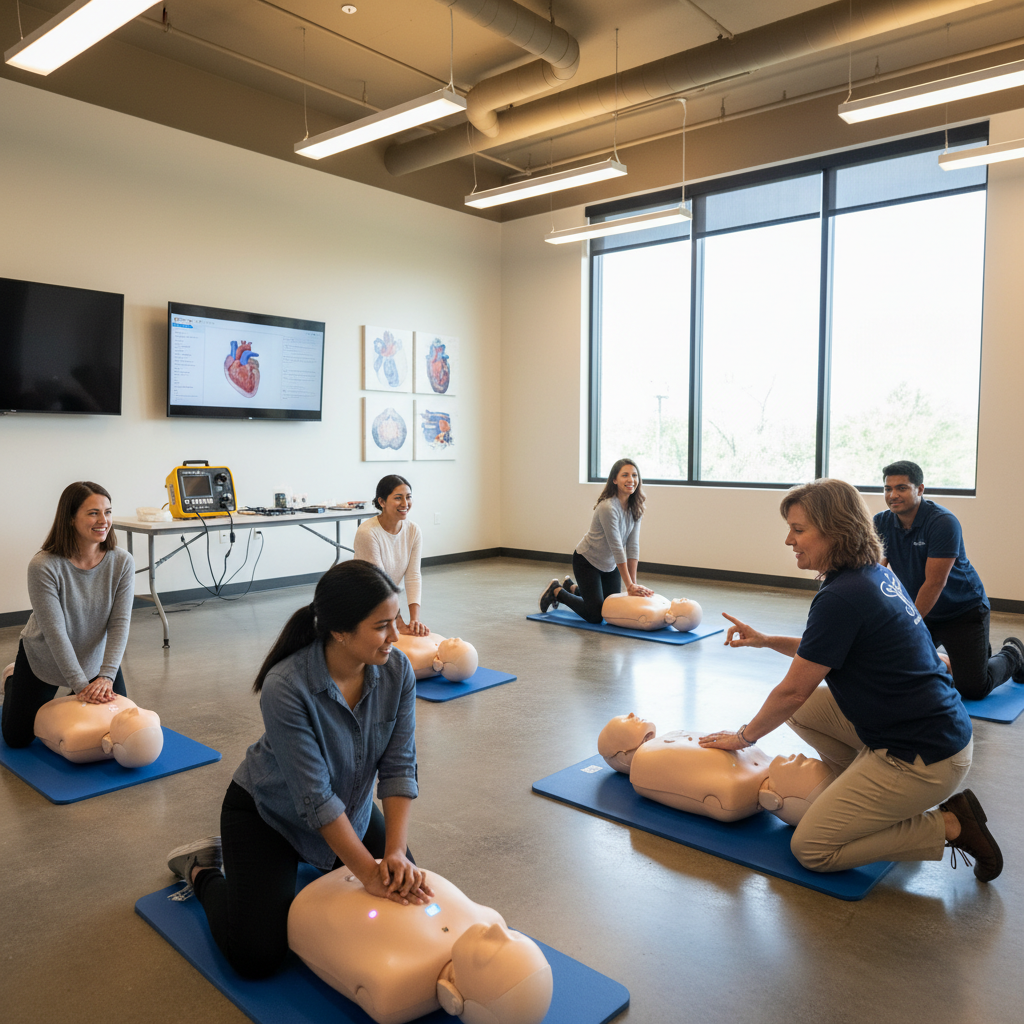
Not all training is created equal. For general office staff, the AHA Heartsaver course is often the gold standard. However, for those in high-risk industries or workplace health clinics, understanding the nuances between BLS vs. Heartsaver is essential. Providing the right level of training ensures that employees don't feel 'out of their depth' when an emergency occurs.
2. Designate and Rotate Safety Leads
While everyone should be trained, having designated 'Safety Champions' helps break the bystander effect. These individuals are responsible for checking that the Best AED in 2026 is functional and that first aid kits are stocked. Rotating these roles annually keeps the responsibility fresh in everyone's mind.
3. Normalize Periodic Drills
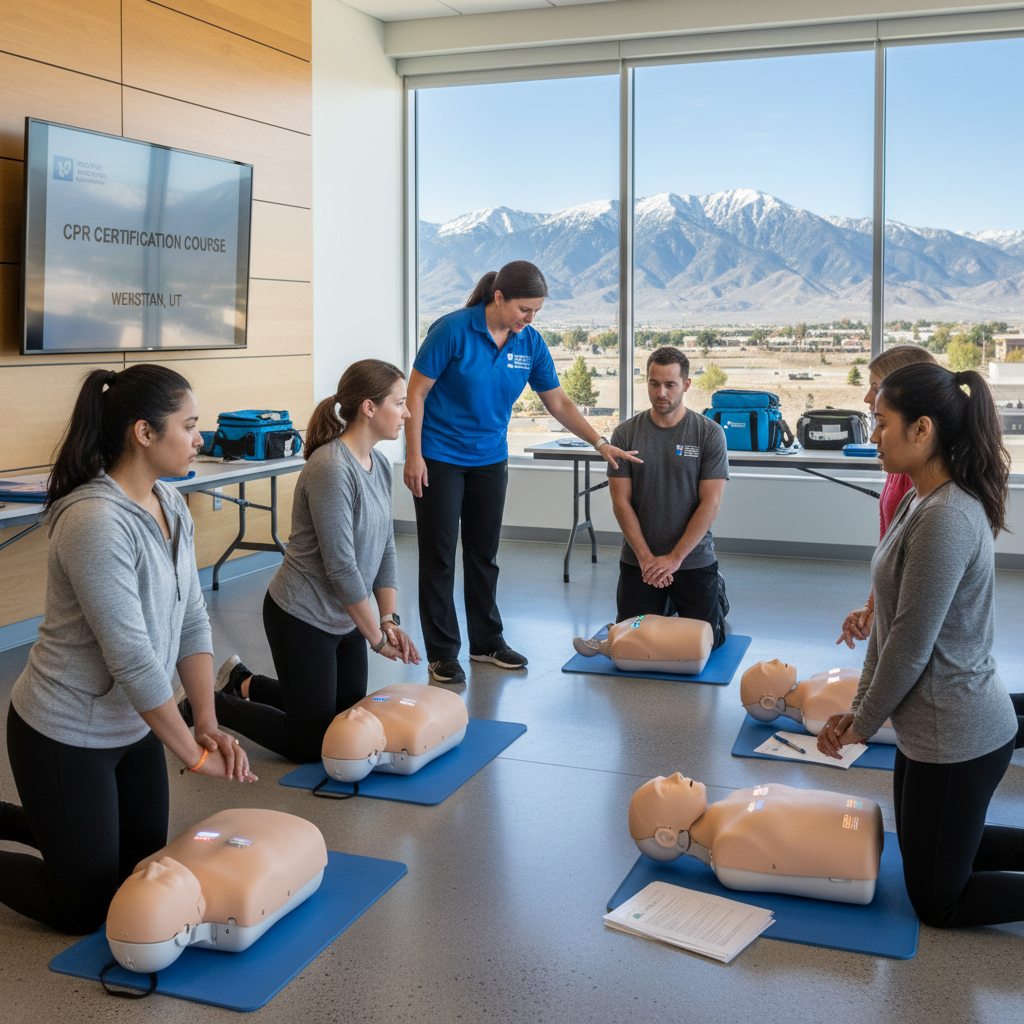
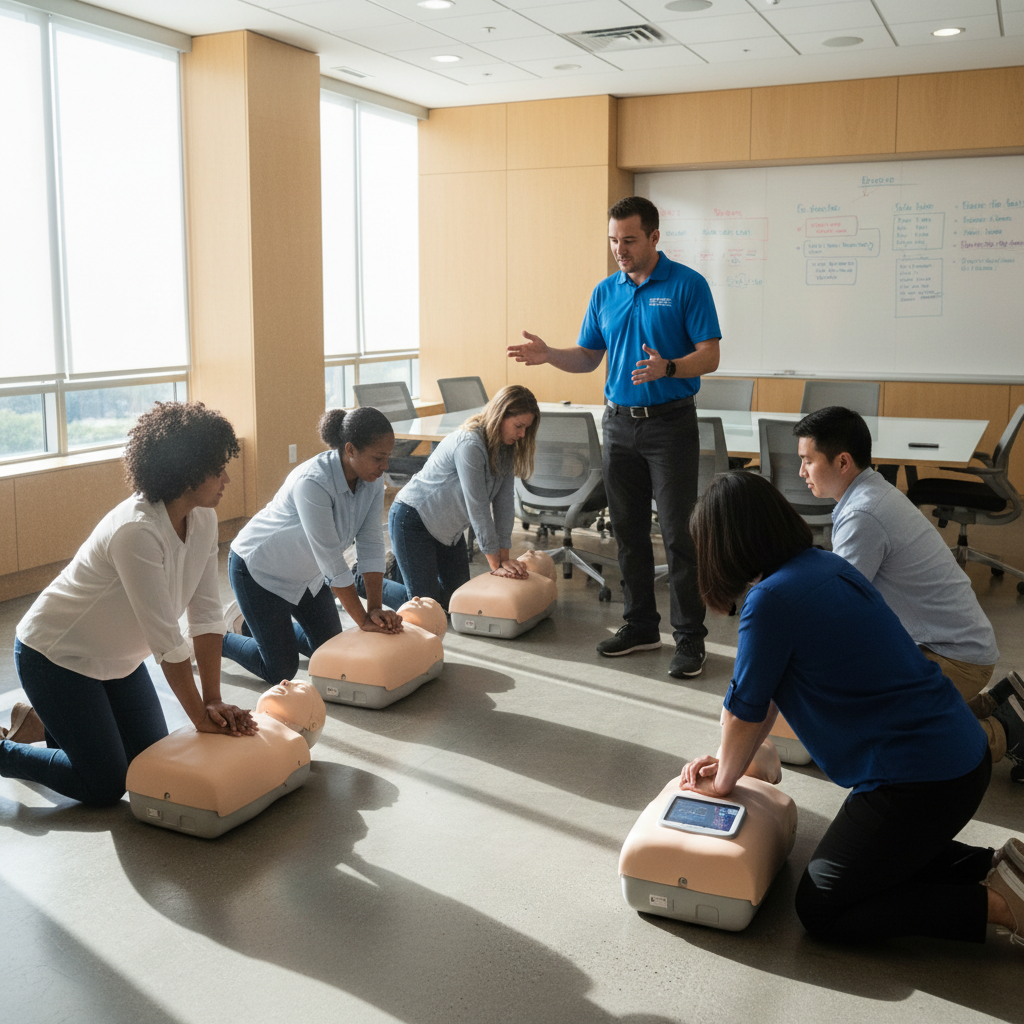
CPR skills degrade over time. Instead of waiting for a biennial renewal, implement 15-minute 'refresher blitzes' every quarter. This keeps the physical mechanics of chest compressions top-of-mind and reduces the 'freeze' response during a real event.
The Role of First Aid and Mental Health
A modern safe workplace recognizes that emergencies aren't always cardiac. With the rise in workplace stress and community health challenges, a robust safety program should include Mental Health First Aid. Furthermore, as the fentanyl crisis persists, training personnel in Opioid Overdose Response has transitioned from an 'extra' skill to an essential workplace requirement.
The Economic and Human Benefit
Investing in a culture of action provides a significant return on investment:
How to Get Started Today
If your organization is ready to move beyond basic compliance, the first step is identifying local, high-quality instructors. Whether you are looking for CPR Certification Dallas or specialized training in other hubs, the goal is to find hands-on, accredited courses.
Don't wait for an accident to realize your team isn't prepared. You can Browse CPR Classes Directory to find a provider that offers on-site training tailored to your specific industry needs. For more insights on regional requirements, check Visit Our Blog for the latest updates on 2026 standards.
Ready to protect your team? Find CPR Classes Near You and turn your bystanders into lifesavers.