BLS vs. Heartsaver: Choosing the Right CPR Certification in 2026
Confused between BLS and Heartsaver? Learn the key differences, job requirements, and how to choose the right AHA certification for your career.
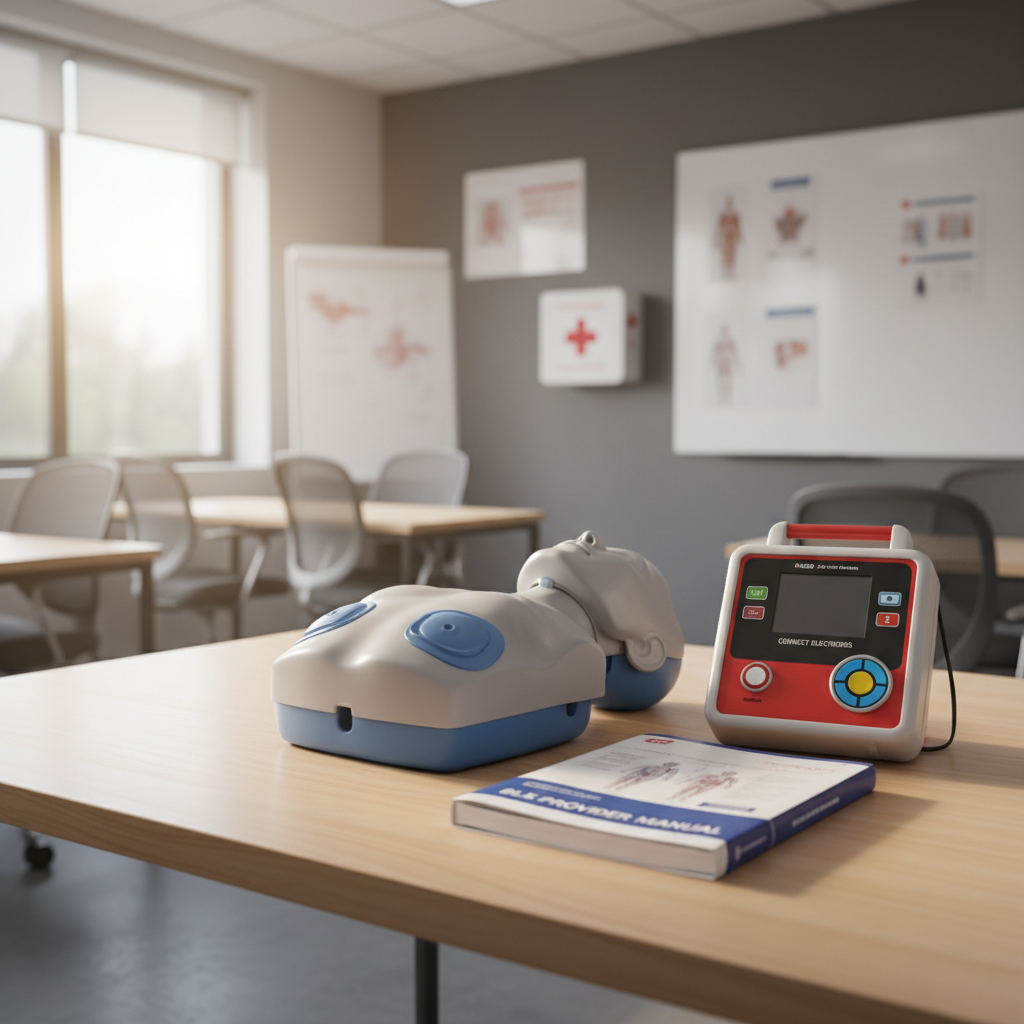
BLS vs. Heartsaver: Which CPR Certification Do You Actually Need?
In the world of emergency cardiovascular care, not all certifications are created equal. Every day, thousands of professionals and laypeople search for "CPR classes near me," only to be met with a confusing alphabet soup of acronyms: BLS, ACLS, Heartsaver, and PALS.
Choosing the wrong course isn't just a waste of a Saturday; it can mean the difference between being cleared for a new job or being sent home on your first day. Whether you are a nursing student, a fitness trainer, or a concerned parent, understanding the distinction between Basic Life Support (BLS) and Heartsaver (HS) is the first step toward saving a life.
Understanding the Basics: What is BLS?
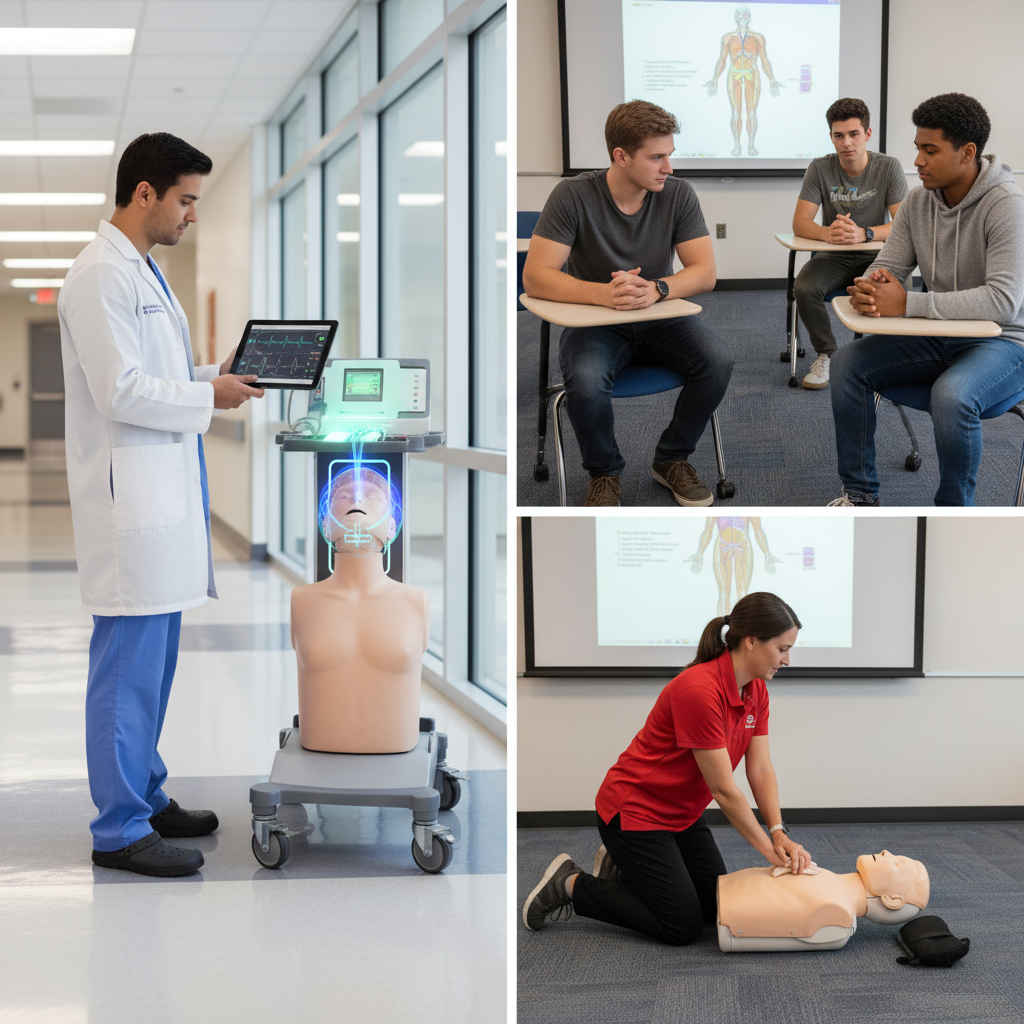
Basic Life Support (BLS) is the gold standard for healthcare providers and public safety professionals. Managed primarily by the American Heart Association (AHA), the BLS Provider course is a rigorous program designed for those who work in clinical settings or as first responders.
Unlike standard CPR classes, BLS focuses on high-performance team dynamics. It covers:
Who needs it? If you are a doctor, nurse, EMT, dentist, or medical student, Find BLS Classes Near You today. Most hospitals and clinics strictly require the AHA BLS Provider certification.
The Layperson’s Essential: What is Heartsaver?
Heartsaver (HS) is designed for anyone with little or no medical training who needs a course completion card for job, regulatory (e.g., OSHA), or other requirements. It is also the ideal choice for anyone who simply wants to be prepared for an emergency in their daily life.
Heartsaver courses are modular, meaning they can be tailored to specific needs. Common iterations include:
Who needs it? This is the go-to for teachers, coaches, flight attendants, construction workers, and office safety teams. It’s less clinical than BLS but provides the same life-saving confidence. To get started, Find Heartsaver Classes Near You.
Vital Statistics: Why Certification Matters
According to the American Heart Association, more than 350,000 out-of-hospital cardiac arrests occur annually in the United States. Alarmingly, about 70% to 90% of people who experience an out-of-hospital cardiac arrest die before reaching the hospital.
However, immediate CPR can double or even triple a victim's chance of survival. Whether you take BLS or Heartsaver, you are becoming a critical link in the "Chain of Survival." National data indicates that workplaces with trained responders have significantly higher survival rates than those that rely solely on 119/911 response times.
4 Key Differences to Help You Choose
If you're still on the fence, consider these four differentiating factors:
Practical Tips for Your Certification Day
Regardless of which course you choose, follow these tips to ensure success:
Conclusion: Take Action Today
Choosing between BLS and Heartsaver doesn't have to be difficult. If you are in the healthcare field, go with BLS. For everyone else, Heartsaver provides the essential tools to protect your family, coworkers, and community.
The most important step isn't choosing the acronym—it's getting the training. Cardiac arrest doesn't wait for a convenient time, and being prepared is the only way to react when seconds count.
Are you ready to become a lifesaver? Use our directory to Find CPR Classes Near You and get certified this week.